面向支持团队的 Claude Code Routines:安全地维持每日工单分流
支持团队使用 Claude Code Routines 做每日工单分流、隐私边界和人工复核的入门指南。
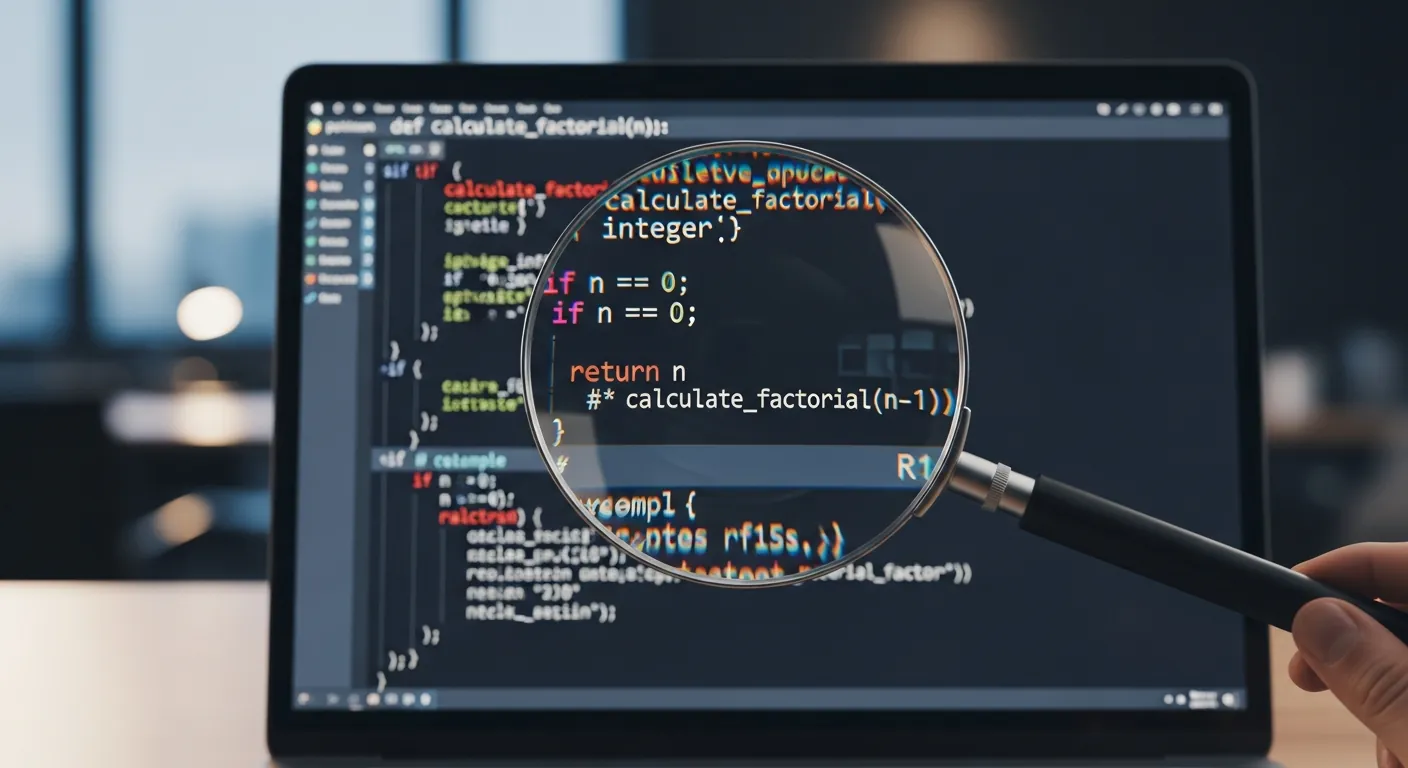
支持团队 do not need an autonomous reply bot on day one. They need a safe morning triage table: which tickets are normal, which need engineering, which need a human owner, and which data must stay out of the routine.
This article adapts Claude Code Routines to support operations. Anthropic describes a routine as a saved Claude Code setup with a prompt, repositories, connectors, and triggers that can run on a schedule, through an API call, or from GitHub events. The feature is in research preview, so limits and behavior can change. That makes the privacy boundary more important, not less.
Primary sources: Automate work with routines and Introducing routines in Claude Code. Related funnel thinking: B2B SaaS trial onboarding.
要点
- Start with morning ticket categorization, not customer-facing automatic replies.
- Share ticket_id, timestamp, product area, plan band, and redacted summary. Block names, emails, phones, full messages, billing data, and tokens.
- Let Claude Code draft category, priority, owner queue, missing information, and reply notes.
- Humans keep refund decisions, legal wording, security incidents, personal data, and public replies.
- Track tickets categorized before 09:00, first response time, misclassification, and morning meeting time.
支持分流容易失败的地方
A support inbox mixes forms, chat, Slack, alerts, sales notes, and public reviews. The morning owner must separate urgent, normal, engineering, refund, and possible incident tickets quickly. If that step stalls, customers wait and internal ownership stays unclear.
Routines fit repeated morning work. The official docs list scheduled, API, and GitHub triggers, with examples such as backlog maintenance, alert triage, deploy verification, and docs drift. For support, the practical version is a weekday 08:30 routine that reads a reduced export and prepares a triage table.
Support tickets often contain sensitive data. A full message may include names, payment issues, medical or legal context, access tokens, or business impact. Because routines run autonomously in Claude Code cloud sessions, do not rely on an approval prompt to stop a bad field during a run.
Claude Code 范围和人工范围
Give Claude Code the safe triage artifact: category, priority, owner_queue, missing_info, and reply_draft_note. The note should describe what a human should check before replying; it should not send the reply.
Humans decide refunds, contract exceptions, legal language, security incidents, important customer handling, and public replies. A routine may flag a ticket as possible incident; a person decides whether to publish an incident update.
Before adding connectors, reduce the data. Connectors are useful only after fields, outputs, and human stop points are clear.
3 个 Use case
Use case 1: Split uncategorized tickets into three queues
- Input: ticket_id, timestamp, product area, redacted summary, category hint, plan band.
- Output: normal support, engineering check, human owner check, priority, missing_info.
- Human review: customer identity, refund, legal wording, security incidents, and important customers.
Use case 2: List missing information before the first reply
- Input: redacted summary, product area, issue type, help center links, allowed follow-up questions.
- Output: missing fields, help pages to check, questions not to ask by email, internal checks.
- Human review: personal data, payment data, identity verification, and support policy.
Use case 3: Raise possible incidents into the morning meeting
- Input: redacted summaries, product area, event time, count, status page, recent deploy notes.
- Output: possible incident list, shared patterns, engineering questions, hold note before customer reply.
- Human review: incident declaration, public wording, impact scope, refunds, and customer messaging.
可复制 Prompt
Act as the Claude Code Routines designer for a support team.
At 08:30 every weekday, classify uncategorized tickets and prepare a 09:00 morning meeting table.
Do not send customer replies. Refund, legal, security, important-customer, and personal-data decisions go to humans.

Return:
1. normal / engineering / human owner queues
2. priority: high / normal / low
3. missing_info
4. reply_draft_note, not a reply
5. morning_note

Block: names, emails, phones, addresses, card data, passwords, tokens, full messages.
可运行检查代码
const morningTriage = {
  source: "support inbox export",
  schedule: "weekday 08:30",
  fieldsSharedWithRoutine: ["ticket_id", "created_at", "category_hint", "plan", "product_area", "redacted_summary"],
  fieldsBlockedFromRoutine: ["customer_name", "email", "phone", "billing_card", "full_message", "access_token"],
  routineOutputs: ["category", "priority", "owner_queue", "missing_info", "reply_draft_note"],
  humanReview: ["refund decision", "legal claim", "security incident", "personal data", "public reply"],
  successMetric: "tickets categorized before 09:00"
};

const requiredShared = ["ticket_id", "redacted_summary", "product_area"];
const requiredBlocked = ["email", "phone", "full_message", "access_token"];
const requiredHuman = ["refund decision", "security incident", "personal data"];

const findings = [
  ...requiredShared
    .filter((field) => !morningTriage.fieldsSharedWithRoutine.includes(field))
    .map((field) => ({ type: "missing shared field", field })),
  ...requiredBlocked
    .filter((field) => !morningTriage.fieldsBlockedFromRoutine.includes(field))
    .map((field) => ({ type: "privacy boundary missing", field })),
  ...requiredHuman
    .filter((item) => !morningTriage.humanReview.includes(item))
    .map((item) => ({ type: "human review missing", item }))
];

console.table(findings);
if (findings.length > 0) process.exitCode = 1;
Pitfall: 常见陷阱
Cause: passing full ticket text. Fix: use a redacted summary and remove identity, contact, contract, token, and attachment fields.
Cause: turning routine output into automatic replies. Fix: start with reply_draft_note only.
Cause: mixing refunds, incidents, and security reports with normal tickets. Fix: route them to human review.
Cause: adding connectors before the data model is clear. Fix: define allowed fields first.
常见问题
Q. Do routines run when the laptop is closed? A. Anthropic says routines run on Claude Code web infrastructure, but the feature is research preview.
Q. Should support teams auto-reply with routines? A. Not first. Start with classification and human review notes.
Q. Is a connector enough? A. No. Reduce the data before connecting systems.
咨询路径
If your support team wants routines around real tickets, use training and consultation. We can map allowed fields, blocked fields, triggers, connectors, morning notes, and misclassification recovery.
我验证了什么
I checked Anthropic’s routines docs, the launch post, the JavaScript boundary check, frontmatter, links, code fences, and CTA. The smallest next step is to split your support inbox export into columns the routine may see and columns it must not see.
相关文章


免费 PDF: Claude Code 速查表
输入邮箱即可获取一页 PDF,整理常用命令、审查习惯和安全工作流。
我们会妥善保护你的信息,不发送垃圾邮件。
让 Claude Code 真正进入可验证的工作流
先用免费 PDF 固定基础,再用 Gumroad 教材复用工作流;如果涉及团队导入、权限或收入路径,可以直接咨询。

关于作者
Masa
专注 Claude Code 实务流程、团队导入和内容转化的工程师。